
Early wear inspection
We look for fading, surface dryness, fine cracking, loose aggregate, and edge changes that indicate how the asphalt is responding to sun, weather, and everyday traffic.
Serving Dallas, Texas & surrounding areas
Frisco first-time sealcoating
Give newer asphalt a maintenance plan before heat, UV, and water take more from the surface. Frisco pavement gets an early condition review, useful preparation, and long-term protection.
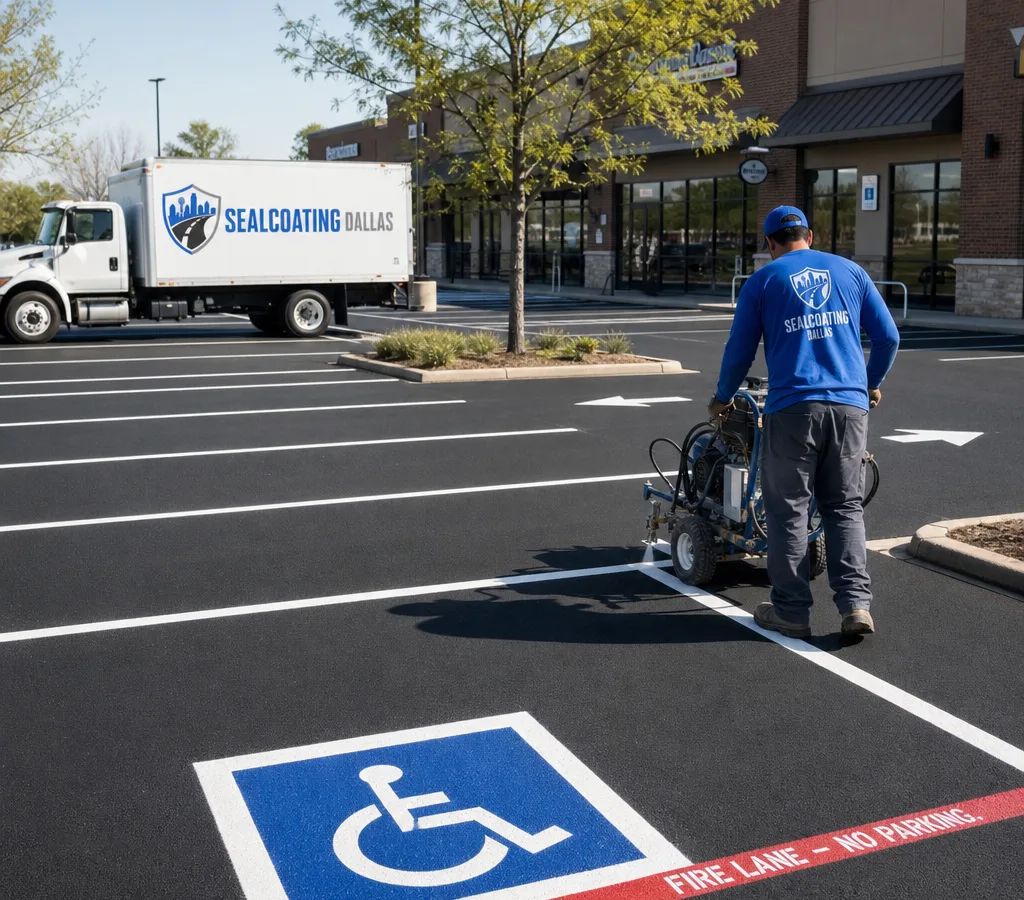
Preventive asphalt care
Newer pavement can look sound while hot summers, UV exposure, and daily traffic slowly dry its binder. Early maintenance gives property owners a chance to evaluate the surface before fading, raveling, and small cracks gain momentum.
Frisco driveways, commercial lots, and parking areas can all benefit from a condition-led first sealing discussion. We look for early edge wear, open cracks, cleaning needs, and any repair concerns before recommending coating or related pavement work.
From the Dallas shop at 1100 S Akard St, Suite 4, Dallas, TX 75215, Sealcoating Dallas covers Frisco. Contact (469) 498-2260 for an on-site review for a newer driveway, parking area, or asphalt surface approaching its first maintenance cycle.
A first coating is still condition-based
Sunlight and heat gradually oxidize asphalt, making its color fade and its surface less flexible. A timely protective coating can help slow that exposure when the pavement is clean, sound, and properly prepared.
Early attention also creates an opportunity to find small cracks and vulnerable edges before water has more time to reach the base. That does not make every newer surface identical, which is why an on-site look matters.
For driveways and commercial pavement alike, the goal is a maintenance decision based on present conditions. Inspection keeps first-time sealing focused on the asphalt you actually have, not a date on a calendar.
Sealcoating helps defend prepared pavement against surface weathering, but it does not correct drainage, low spots, or structural failure. When inspection finds those issues, repair options are discussed before a protective coat is planned.
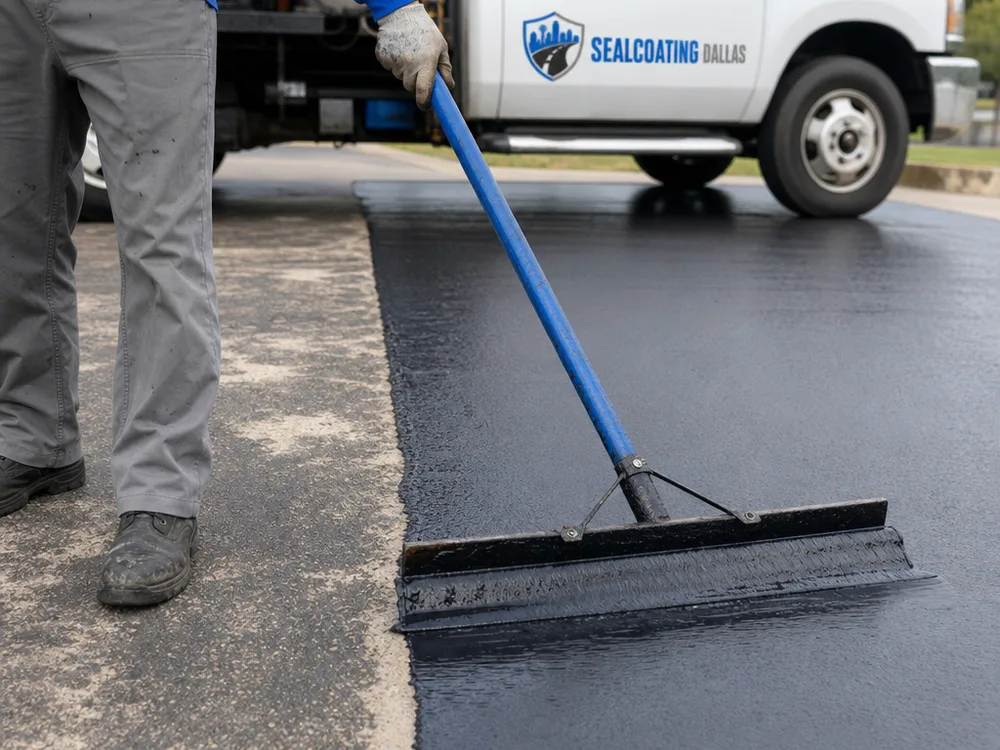
Early care, informed by the surface
The right time for maintenance depends on the asphalt, not a generic calendar. We evaluate early wear, edges, cracks, and exposure before recommending how to protect the surface.
We look for fading, surface dryness, fine cracking, loose aggregate, and edge changes that indicate how the asphalt is responding to sun, weather, and everyday traffic.
A newer surface is evaluated for readiness before sealcoat is planned. The review considers its condition, preparation needs, and whether any pavement concerns should be addressed first.
Small openings can become water paths if they are left unaddressed. We inspect visible cracks and explain the preparation that may be appropriate before protective coating is applied.
Driveway edges, garage aprons, curbs, walkways, and grass lines receive attention during planning. These boundaries affect both the finished appearance and the condition of the asphalt.
Sealcoat performance depends on suitable application and cure conditions. We discuss temperature, humidity, shade, and rain risk when setting expectations for the completed surface.
Parking areas are reviewed for traffic paths, edge condition, early cracks, and preparation needs. That gives a first maintenance conversation the same condition-based foundation as a driveway visit.
A range before the first coat
Residential and light-commercial pavement typically runs $0.20 to $0.50 per square foot. The published range for smaller driveways is $250 to $600 before the site scope is determined. Parking areas with greater size can run $1,200 to $5,000+ depending on size and access.
Even a newer surface needs a site-specific review. Total square footage, surface condition, cleaning needs, crack prep, edging detail, and how many coats are appropriate all affect the scope. Once the on-site inspection is complete, the exact cost is confirmed so the scope matches the pavement you have.
A preventive maintenance path
A first sealcoating project starts with a close surface review, then moves through the preparation and cure guidance appropriate to that pavement. Each step follows the observed condition.
We inspect the asphalt for fading, fine cracks, raveling, edges, drainage clues, stains, and any early signs that preparation or repair needs attention.
The visit establishes whether the pavement is suited to protective coating and identifies the cleaning, crack work, or other scope details that come first.
Before application, the approved preparation addresses loose material, debris, vegetation, and suitable cracks so the sealcoat can bond to clean asphalt.
Sealcoat is applied with even coverage and careful lines at edges and transitions, following the project scope confirmed at the inspection.
We give practical direction for returning vehicles and foot traffic after the surface has cured under the temperature, humidity, and shade conditions present that day.
Protection at work
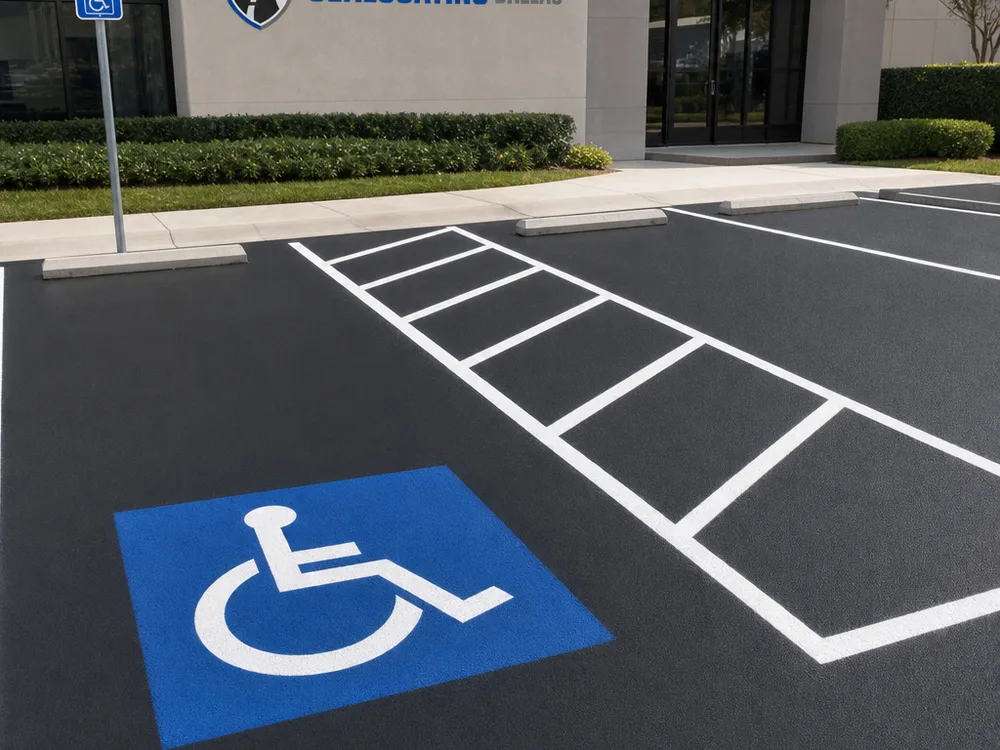
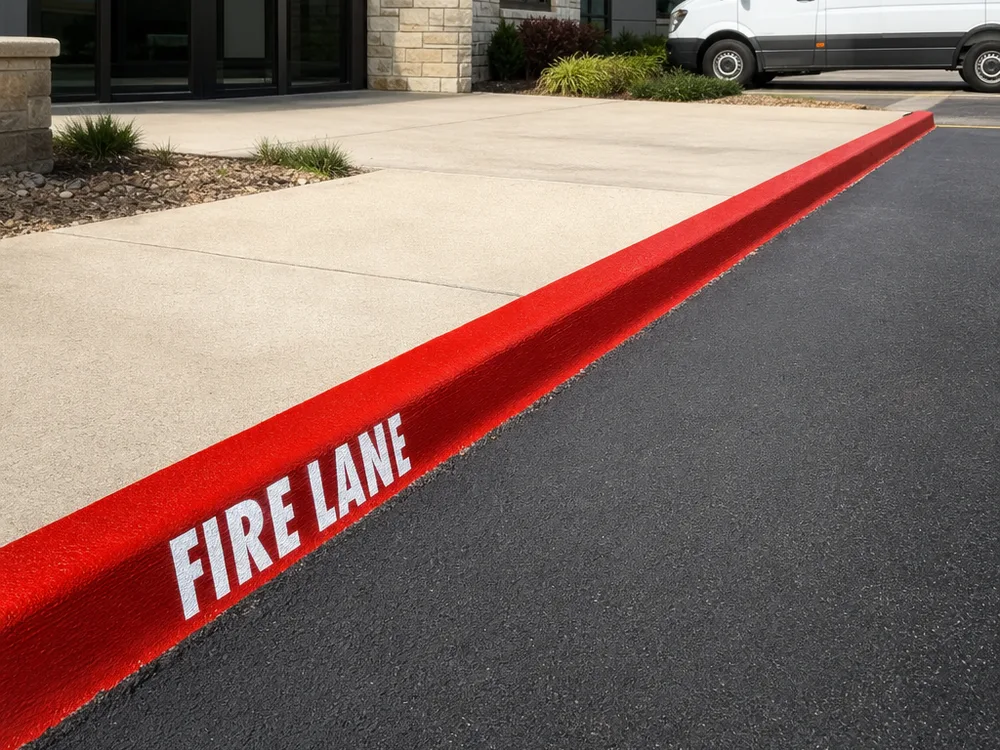
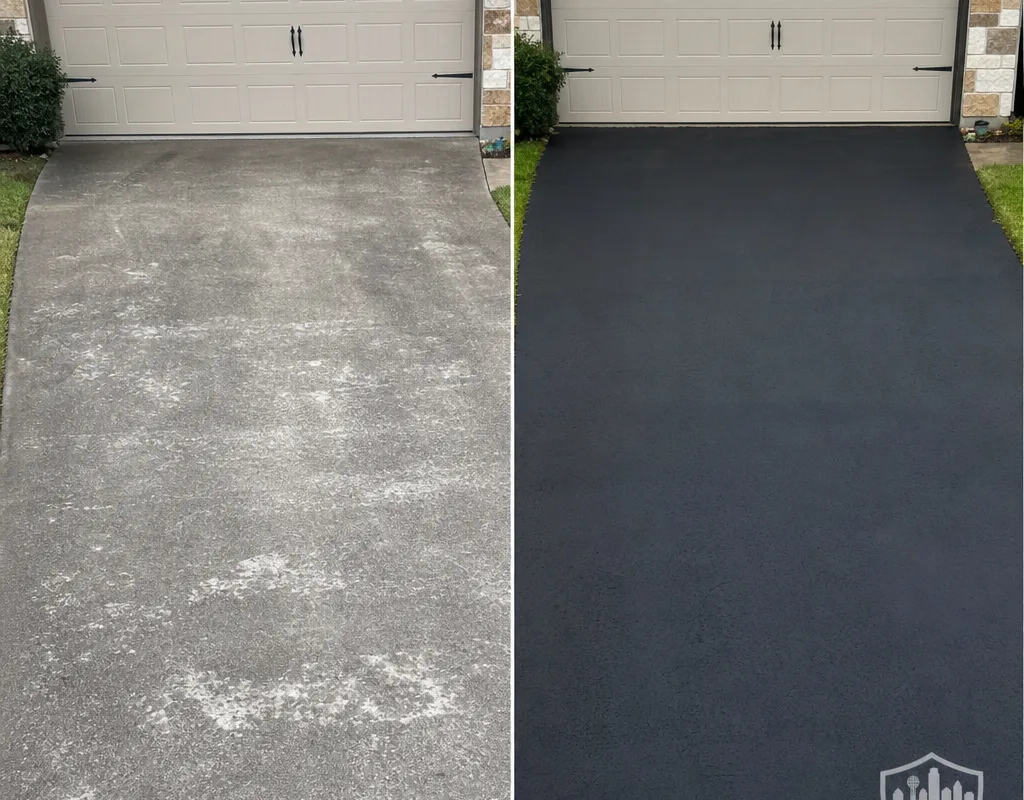
The images show clean preparation, even protective coating, and detail work at pavement edges. They provide a visual reference for the care that helps sound asphalt stay protected.
Questions before a first sealcoat
First-time pavement maintenance brings questions about readiness, early cracks, scheduling, and what sealcoating can do. These answers focus on maintaining sound asphalt before wear spreads.
Readiness is determined by an on-site review of the surface condition, early wear, cracks, cleanliness, and any preparation needs. A calendar alone cannot account for heat exposure, traffic, shade, or the condition of the asphalt.
A dark surface can still have early cracking, edge wear, drainage clues, or areas that need cleaning. Looking at those details helps determine whether preventive maintenance is appropriate and what preparation it requires.
A properly applied sealcoat helps protect sound asphalt from UV oxidation and surface wear. The inspection confirms whether the pavement is a good candidate and identifies any crack or repair needs that should be considered first.
Move vehicles and portable items from the treated area, and avoid watering along the pavement edge before service. We also discuss access and use timing so the fresh coating has an appropriate cure period.
Yes. Commercial pavement is inspected for its current condition, traffic patterns, edges, cracks, and preparation needs. The scope can then address protective coating, repairs, crack work, or striping as appropriate.
Shade can slow curing, especially when combined with humidity or cooler conditions. We consider the conditions on the work day and provide return guidance that helps protect the new surface from premature traffic.
Maintain sound pavement early
If your asphalt is still sound but beginning to fade, schedule a close look before small issues grow. We will review its preparation needs and recommend sealcoating, crack work, repairs, or striping from Dallas.
Request a quote
Send the size, surface condition, and access details. We reply with next steps and schedule an on-site look before any written scope.